Exposing the Myth of the War
on Terror since 2003.
Donald J Trump has been looking for an excuse to attack Venezuela and
bring it's vast oil reserves under US corporate control. This involves removing
the current president and installing a Washington DC puppet.
Trump is conducting illegal strikes on boats he alleges are caring drugs. To date there have been 36 boats sunk - 151 deaths.
Finally, Trump will use these "drug boat" allegations to take the US to war.
Didn't we learn anything from 2003 when Bush, Cheney and Powell lied us into the Iraq War? Between Iraq and Afghanistan 7051 Americans died, 600,000 Iraqi's died at a cost of nearly $3 trillion. Look it up!
Elect a Republican, get a war. Check out PNAC and Trump Corollary
Are we going to be conned by a New York grifter into another oilwar?
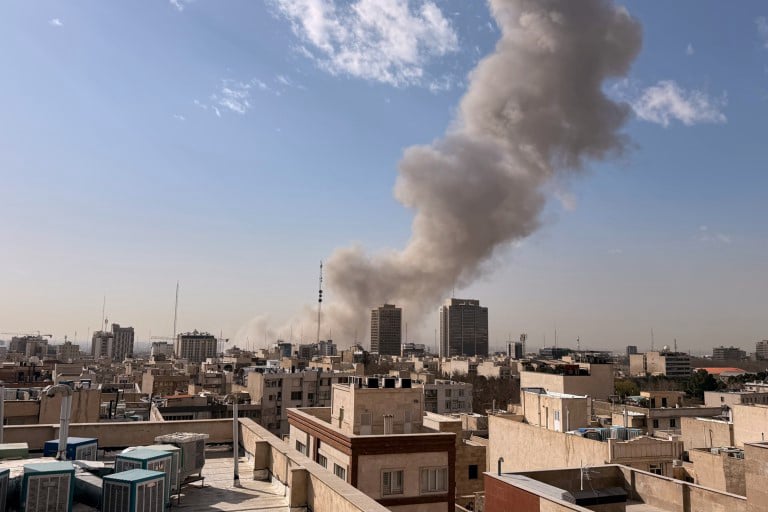
NEW - IRAN OILWAR
"- - - Well come on mothers across the land.
Pack your boys off to Vietnam.-(Iran)
Come on fathers don’t hesitate, send your sons off before it’s too late,
Be the first one on your block to have your boy come home in a box"
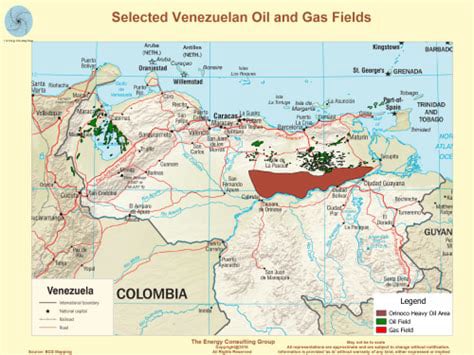
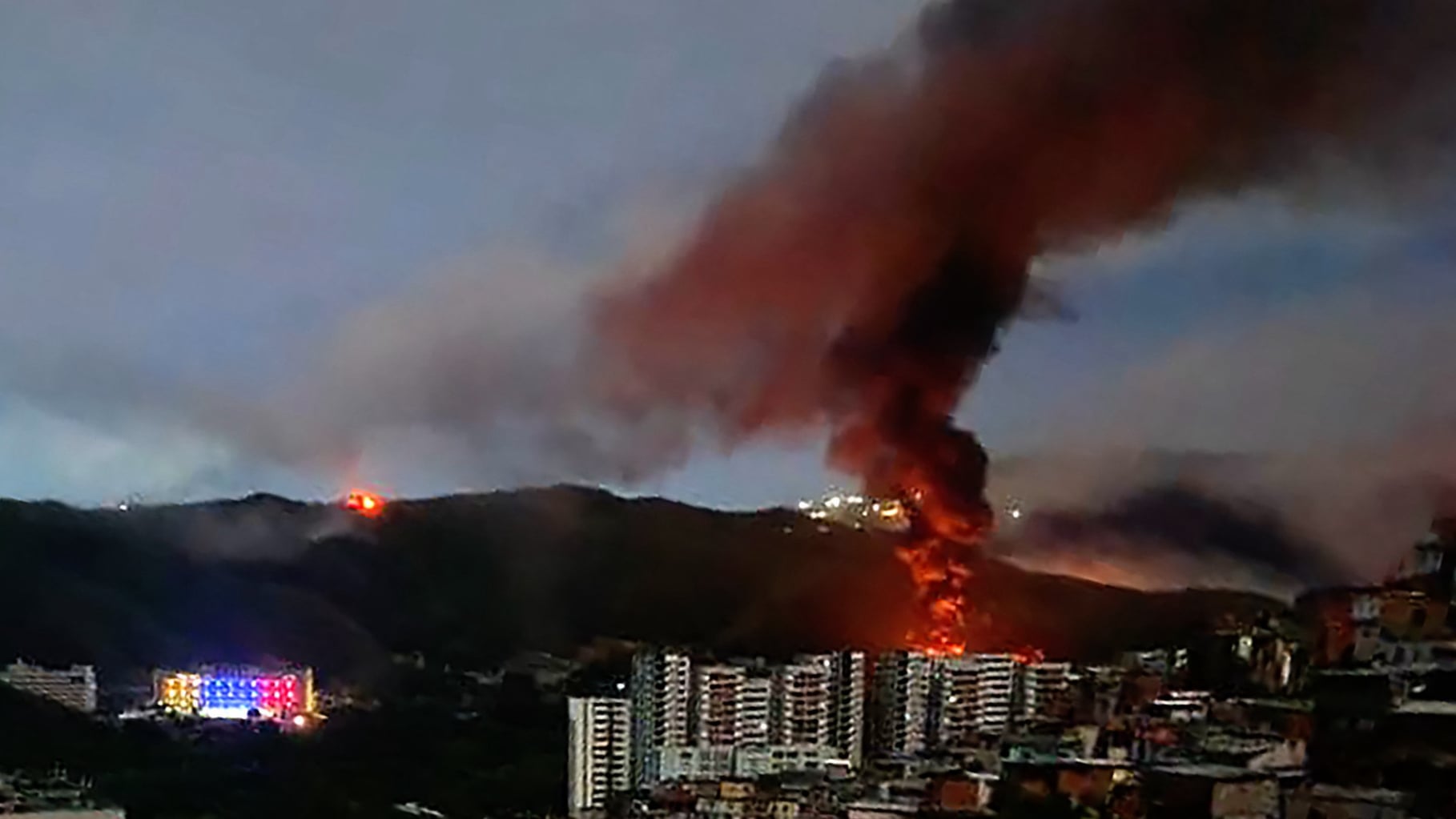
Venezuela Oil Fields - County is bigger than Ukraine
Venezuela holds the world’s largest proven oil reserves, making it a strategic prize for any global power. For the United States, having a pro-American government in Caracas would secure access to these resources, counterbalance China’s growing influence, and strengthen its leverage in global energy markets. A government aligned with China, by contrast, could shift trade patterns, expand Beijing’s footprint in the Western Hemisphere, and limit U.S. options in oil supply.
Unlike past interventions framed around “freedom” or democracy, Washington is now using a more familiar playbook — reminiscent of Panama — targeting Venezuela’s leadership by labeling it a drug trafficking regime. The approach underscores that the goal is less ideological and more strategic: to ensure a government in Caracas that serves U.S. energy and geopolitical interests, rather than one aligned with a rising global competitor.
With over 300 billion barrels of reserves, Venezuela’s oil alone provides sufficient motivation for such intervention, demonstrating that control over energy resources remains central to regional and global Frac News
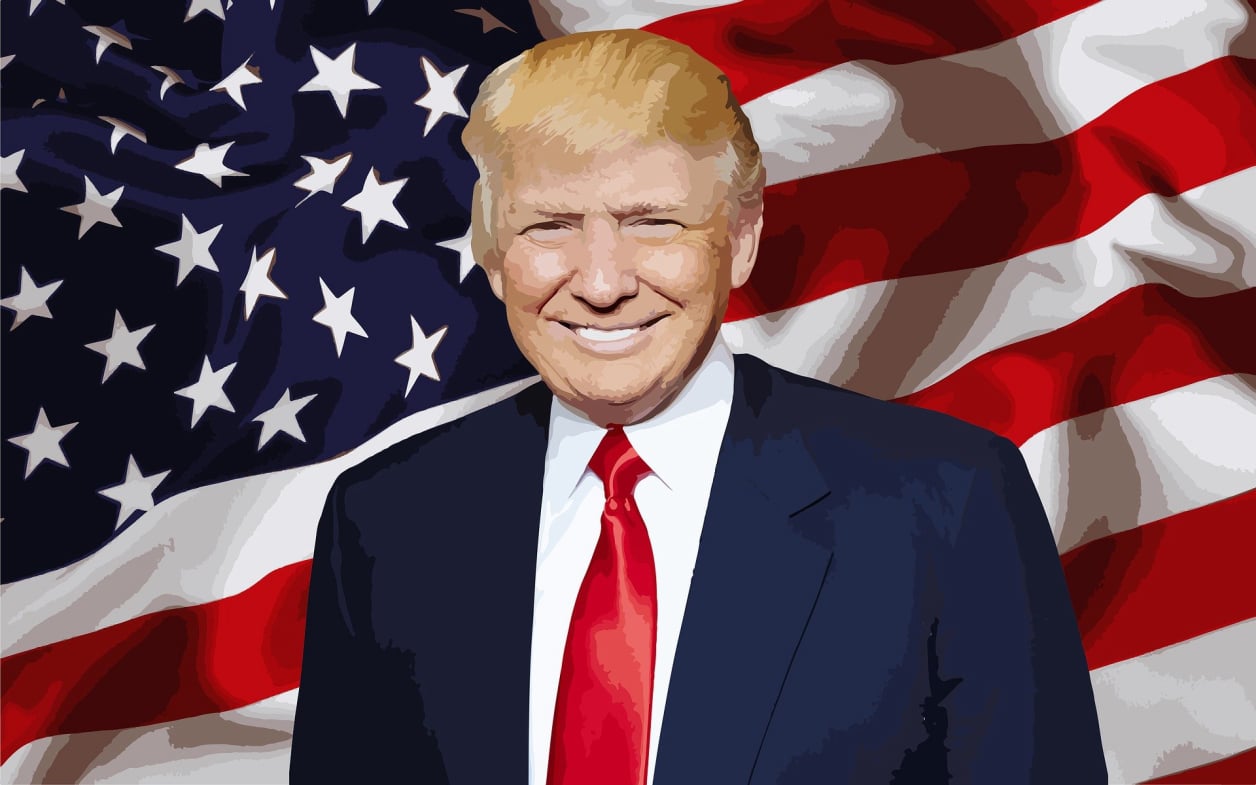
Donald J Trump
July 2017
Andrew McCabe, in his memoir "The Threat: How the FBI Protects America in the Age of Terror and Trump," recounts a private briefing where President Trump allegedly expressed a desire for military action against Venezuela. According to McCabe, Trump questioned why the U.S. was not at war with Venezuela, stating, "That’s the country we should be going to war with, they have all that oil and they’re right on our back door."
This claim highlights Trump's focus on Venezuela amid discussions about other geopolitical issues. McCabe's account suggests that Trump's comments were made during a meeting intended to address Russian espionage, indicating a diversion to Venezuela's oil resources.
The context of these remarks reflects ongoing tensions between the U.S. and Venezuela, particularly regarding the political crisis under President Nicolás Maduro. The U.S. has recognized opposition leader Juan Guaidó as the legitimate president, further complicating relations.
VOX
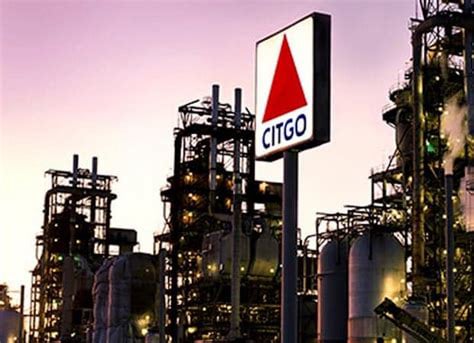
Citgo Oil of Venezuela
"As the Trump administration continues its attempt to oust Venezuelan President Nicolás Maduro, the U.S. has imposed a de facto embargo on oil from Venezuela’s state-run oil company. The new sanctions include exemptions for several U.S. firms, including Chevron and Halliburton, to allow them to continue working in Venezuela. We speak with prize-winning investigative journalist Allan Nairn about the push to privatize Venezuela’s oil."
Democracy Now
The Price in Dollars
The Price in Lives
Iraq Inquiry - British
Bush & Blair Found Guilty of War Crimes
Exposing the PNAC -Project for New American Century
Where Does the USA Get it's Oil?
Bush and Cheney Falsely Presented WMD Intelligence to Public Sept 2015
Brits Apologize For War Sep 2015
Tony Blair 'not straight' with UK over Iraq, says Chilcot July 2017 BBC News
Was the 20 year war about oil? You be the judge
Former British Prime Minister Tony Blair issued an apology regarding the Iraq War on July 6, 2016, following the publication of the Chilcot Report, which criticized the government's decisions leading to the conflict. His remarks focused primarily on the loss of life and the failures in the intelligence that justified the war.
Key Points of the Apology
Acknowledgment of Loss: Blair expressed sorrow and regret for the families of those who died, acknowledging that they would never forgive him.
Intelligence Failures: He admitted that the intelligence assessments regarding weapons of mass destruction were wrong and that the planning for the aftermath of the invasion was "wholly inadequate."
Moral Justification: Despite his apology, Blair maintained that he believed the decision to remove Saddam Hussein was the right one, stating that Iraq was better off without him.
Responsibility: Blair took full responsibility for the decisions made during the war, hoping future leaders would learn from the past mistakes.
After World War II, initiating and waging wars of aggression was one of four charges on which, during the Nuremberg Trials, the International Military Tribunal convicted and sentenced 12 Nazi leaders to death. Among them were Reichsmarschall Hermann Göring, Foreign Minister Joachim von Ribbentrop and Field Marshal Wilhelm Keitel.
After the trials, the International Law Commission of the United Nations codified the underlying legal principles in a document known as the. The Principles state that anyone who commits a crime under international law is responsible for it and liable to be punished, regardless of the legality of their behaviour according to the domestic law of the country in which they acted.
The document sets out several crimes under international law, including "Planning, preparation, initiation, or waging of a war of aggression or a war in violation of international treaties, agreements, or assurances" and "Participation in a common plan or conspiracy" to initiate or wage such a war.
Dead Coming Home From Iraq OilWar 2003
"The Memo: A Blueprint for Regime Change
The claim that the U.S. planned to overthrow governments in seven countries within five years comes from retired General Wesley Clark, a former NATO Supreme Allied Commander. In a 2007 interview, Clark recalled a conversation he had shortly after the 9/11 attacks with a senior military officer at the Pentagon. Clark stated that the officer showed him a memo from the Secretary of Defense’s office outlining plans to attack and destroy the governments of Iraq, Syria, Lebanon, Libya, Somalia, Sudan, and Iran.
According to Clark, this plan was not about responding to direct threats or deterring conflict but was instead aimed at fundamentally reshaping the geopolitical landscape of the Middle East in a manner favorable to U.S. interests. “It was a pretty stunning thing,” Clark remarked. “You mean the purpose of the military is to start wars and change governments, not to deter conflict?”"
Click the links below
PNAC Memo
PNAC History
Return to Home Page
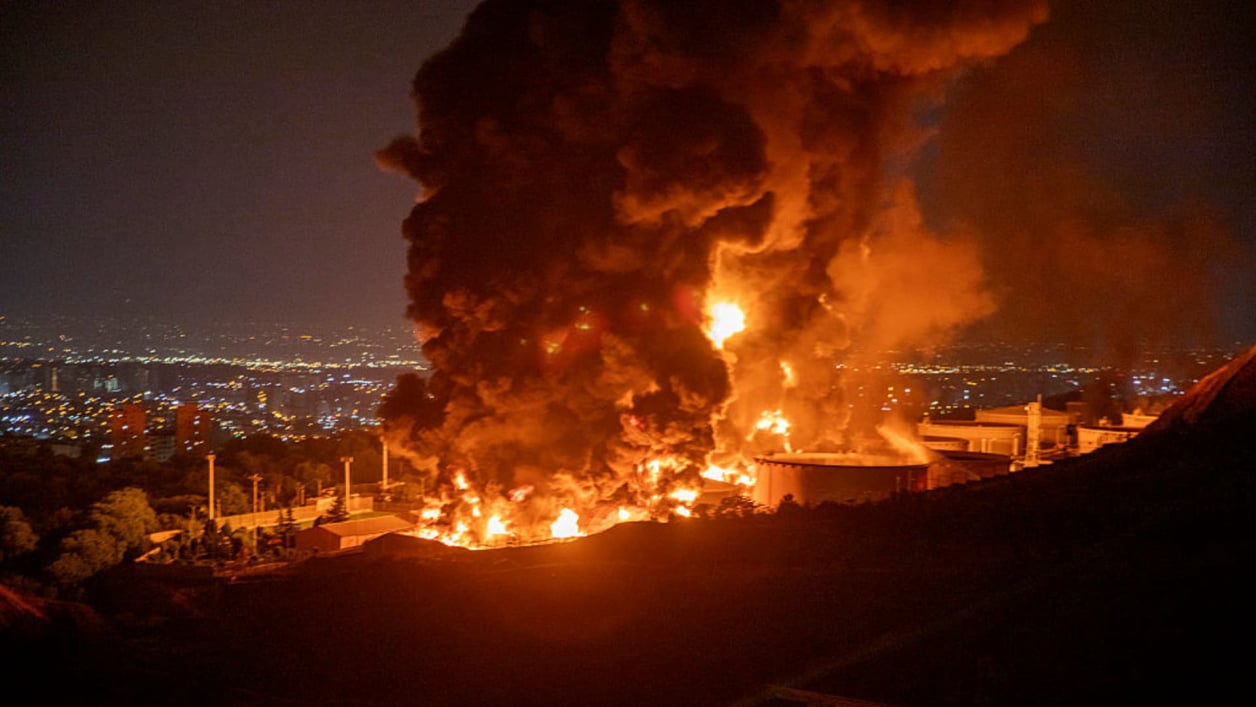
CITGO Oil Refinery Venezuela
The "Trump Corollary" to the Monroe Doctrine is a new U.S. foreign policy approach that emphasizes American dominance and intervention in the Western Hemisphere, aiming to prevent foreign influence and protect U.S. interests in the region. It reflects a shift from previous foreign policy strategies by focusing on Latin America and asserting military readiness against perceived threats.
Wikipedia rusi.org
Overview of the Trump Corollary
The Trump Corollary to the Monroe Doctrine is a new foreign policy approach introduced by the Trump administration in December 2025. It emphasizes a renewed focus on the Western Hemisphere, asserting U.S. interests and influence in Latin America.
Key Features
Reassertion of U.S. Influence: The Corollary aims to restore American preeminence in the Western Hemisphere, countering foreign influence, particularly from non-Hemispheric nations.
Military Readiness: It includes a commitment to adjust military presence in the region to address perceived threats, particularly from countries like Venezuela.
Economic Cooperation: The strategy seeks to enhance trade and investment in Latin America, addressing the region's economic needs and fostering development.
Historical Context
The Trump Corollary builds on the original Monroe Doctrine, which opposed European colonialism in the Americas. The Roosevelt Corollary, added in 1904, allowed for U.S. intervention in Latin America to maintain stability and prevent European interference. The Trump Corollary revives this interventionist logic while aiming to prioritize U.S. interests.
Implications
Shift in Foreign Policy: This approach marks a significant shift from previous administrations, which focused more on global issues and major power competition.
Potential for Conflict: The emphasis on military readiness and intervention raises concerns about escalating tensions in the region, particularly with nations like Venezuela.
Criticism and Support: While some view the Corollary as a necessary step to protect U.S. interests, others criticize it for potentially reviving imperialistic tendencies in U.S. foreign policy.
What is the "Trump Corollary"
US "Backyard" Target One
AI Website Generator